

Psychological Assessment Services in Southern California
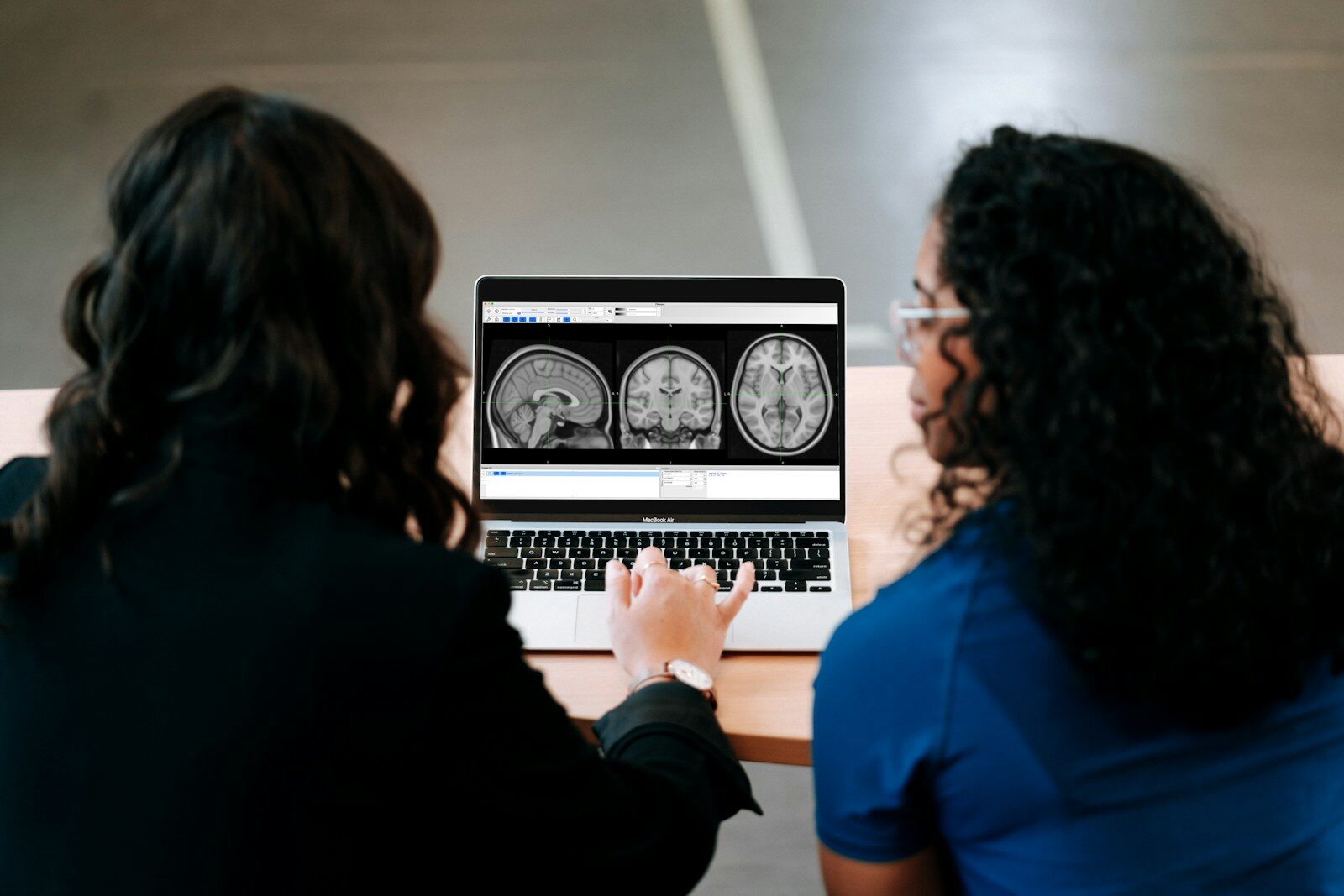
Understanding the complexities of brain function is essential to addressing learning, behavioral, and emotional challenges effectively. A neuropsychological assessment in Southern California provides in-depth insights that help tailor personalized support plans for children and adolescents facing such obstacles.
Independent Educational Evaluations (IEEs)
An Independent Educational Evaluation (IEE) is a thorough assessment conducted by a qualified professional who is completely independent from your child’s school district. These evaluations comprehensively examine various aspects of your child’s development, including:
- Behavior
- Social-Emotional Functioning
- Cognitive and Academic Skills
- Functional and Vocational Abilities
Because IEEs are unbiased, they offer critical insights that help you and your child’s educators better understand and support your child’s specific educational needs.
We are proud to provide IEEs across Southern California and beyond.
When Can Parents Request an IEE?
Under the Individuals with Disabilities Education Act (IDEA), parents have the legal right to request an IEE at the public’s expense if they disagree with a school district’s evaluation or proposed plan — whether that’s outlined in a psychoeducational report, an Individualized Education Program (IEP), or a 504 Plan.
To request an IEE:
1.Submit a written, signed request to their child’s school district.
2.The school district then has 15 days to respond, either approving the IEE or starting a due process hearing to uphold their original evaluation.
3.If the school cannot demonstrate that its evaluation met required standards, the IEE must be provided at no cost to the family.Who Needs a Psychoeducational Evaluation?
While psychoeducational assessments are helpful for individuals of any age, they are most commonly used in educational settings. For example:
- School-aged children and adolescents often undergo these evaluations as part of the Individualized Education Program (IEP) process to determine eligibility for special education services.
- College students may also benefit from psychoeducational evaluations to support requests for academic accommodations under Section 504 of the Rehabilitation Act.
When Should You Request an Evaluation?
If your child is facing difficulties at school that may be related to learning disabilities, emotional issues, or developmental concerns, you have the right to request a psychoeducational evaluation through your school district. Early identification and intervention can play a crucial role in boosting your child’s confidence, improving performance, and setting them up for long-term success.
Psychoeducational Evaluations
We are proud to offer Psychoeducational Evaluations throughout Southern California and beyond.

What Is a Psychoeducational Evaluation?
A psychoeducational evaluation is a detailed, comprehensive assessment designed to determine whether a student has a learning disability or other factors influencing their academic success. This type of evaluation examines several important areas of your child’s development, including:
- Cognitive Abilities
- Academic Achievement
- Behavioral Functioning
- Social-Emotional Well-Being
- Physical and Developmental History
Based on your child’s individual needs, the evaluation may also involve collaboration with specialists such as speech-language pathologists, occupational or physical therapists, or behavioral health professionals. This multidisciplinary approach ensures a complete understanding of your child’s educational strengths and challenges.
Can School Districts Initiate an IEE?
Yes. Sometimes the school district may request an IEE in situations such as:
- They lack staff with the necessary qualifications to conduct a specific type of evaluation.
- When there are legitimate doubts about the accuracy or fairness of previous assessments.
- When parents express concerns about the evaluation’s scope, objectivity, or thoroughness.
In these situations, an IEE provides a more complete and impartial understanding of a student’s educational strengths and challenges.
IEEs Available Through Calpsychworks
We offer IEEs in a variety of specialized areas, including:
- Psychoeducational Assessments
- Neuro-Psychoeducational Assessments
- Educationally Related Mental Health Services (ERMHS) Evaluations
- Functional Behavior Assessments (FBA)
- Transition and Vocational Assessments
If you believe your child could benefit from an IEE, Calpsychworks is ready to provide expert, unbiased insight to support their growth and academic success.
Neuro-Psychoeducational Evaluations (NPE)
We are proud to offer Neuro-Psychoeducational Evaluations (NPEs) throughout Southern California and beyond.

What Is an NPE?
A Neuro-Psychoeducational Evaluation builds on the foundation of a traditional psychoeducational assessment but goes deeper by focusing on how brain-based processes influence learning. Using specialized neuropsychological tools, NPEs examine how different areas of brain function affect your child’s cognitive, academic, and behavioral performance.
This comprehensive approach provides a detailed understanding of your child’s unique learning profile, highlighting both strengths and areas where support is needed.
What Do NPEs Measure?
Depending on the specific concerns and referral questions, NPEs may assess:
- Intellectual Functioning
- Attention and Executive Functioning (e.g., Working Memory, Self-Regulation)
- Learning and Memory
- Visual-Spatial and Visual-Motor Integration
- Language Development
- Motor Coordination
- Emotional and Behavioral Functioning
When are NPEs Used?
Historically, NPEs were reserved for individuals with diagnosed or suspected neurological conditions—like traumatic brain injuries, epilepsy, cerebral palsy, or brain tumors. Today, they are increasingly recommended when prior evaluations have not fully explained academic, social, or behavioral challenges, providing a deeper exploration into underlying causes.
Why Choose an NPE?
NPEs are highly effective for identifying evidence-based, targeted interventions tailored to an individual’s neurocognitive strengths and challenges. This enables more personalized and successful treatment planning. NPEs are frequently used in diagnosing conditions such as:
- Reading Disorders (Dyslexia)
- Writing Disorders (Dysgraphia)
- Math Disorders (Dyscalculia)
- ADHD and Executive Functioning Difficulties
- Autism and Sensory Processing Differences
Who Can Conduct an NPE?
Only licensed professionals with specialized neuropsychological training can perform NPEs. Evaluators should hold credentials from respected organizations such as the American Board of School Neuropsychology, the National Academy of Neuropsychology, or the American Academy of Clinical Neuropsychology.
Functional Behavior Assessments (FBA)
Calpsychworks is proud to offer accurate, cutting-edge Functional Behavior Assessments (FBA) throughout Southern California and beyond.

What Is a Functional Behavioral Assessment (FBA)?
A Functional Behavior Assessment is a systematic and evidence-based evaluation designed to identify the underlying reasons for challenging behaviors in children. Rooted in Applied Behavior Analysis (ABA), FBAs focus on understanding the purpose that specific behaviors serve, enabling the development of tailored interventions that promote positive change.
An FBA isn’t simply about managing behavior—it’s about truly understanding it. At its core, the FBA is based on two fundamental principles:
- All behavior serves a purpose.
- Behavior is a form of communication.
Children often express needs, seek attention, avoid difficult tasks, or communicate frustration through their actions—even if they aren’t aware of it themselves. By identifying the “why” behind these behaviors, schools and families can implement targeted strategies that reduce problematic behaviors while teaching more appropriate and constructive alternatives.
Understanding the FBA Process
Successful behavior interventions begin with a clear picture of why behaviors occur. The FBA process is a careful, step-by-step approach designed to uncover this insight and inform effective and individualized support plans. Here’s how it works:
1. Define the Behavior Precisely
The first critical step in understanding and addressing behavioral concerns is to describe the behavior using clear, observable, and measurable terms. This helps avoid vague or subjective labels. By clearly specifying what the behavior looks like and how it manifests, everyone involved can have a shared understanding of what behavior is being addressed.
Example: Instead of labeling a child as “defiant,” an FBA would specify, “The child yells and runs around the room when asked to sit and begin reading.
2. Collect and Analyze Data
Comprehensive information gathering helps reveal the context and triggers of behavior patterns. This step allows professionals to obtain a thorough understanding of the various factors contributing to the child’s behavior, ensuring that any interventions designed are well-targeted and effective.
- Direct observations of the child in natural settings.
- Interviews with caregivers, teachers, and relevant staff.
- Questionnaires and standardized rating scales.
- Informal assessments of the environment and routines.
The data focuses on patterns such as what happens just before the behavior (antecedents), how often it occurs (frequency), how intense it is, and how long it lasts (duration). Together, these details form the foundation for accurate analysis and informed decision-making in subsequent steps.
3. Identify the Function of the Behavior
Using the collected data, the likely function (or purpose) of the behavior is determined. Understanding the “why” behind the behavior is important because it guides the development of focused and effective intervention strategies.
Example: “The child’s behavior appears to serve the function of escaping reading tasks, which they find frustrating or overwhelming.”
4. Develop and Implement a Support Plan
Once the function of the behavior is identified, a customized Behavior Support Plan (BSP) is created to effectively address the behavior. This plan typically includes:
- Teaching positive, functionally equivalent replacement behaviors.
- Strategies to prevent triggers and reduce challenging behaviors.
- A system for monitoring and tracking the child’s progress.
The BSP is developed collaboratively, typically led by a Board-Certified Behavior Analyst (BCBA). It aims to empower the child with new, meaningful skills and reduce problematic behaviors through proactive, supportive approaches.
The Role of FBAs in Special Education
FBAs are integral to the special education process. They provide valuable insights that help determine the level and type of behavioral support a child may need within their educational setting.
FBAs help teams determine whether behavioral challenges stem from a documented disability or other underlying causes. This clarity guides decisions regarding eligibility for special education services and helps design effective, individualized intervention plans that promote success across home and school environments.
Behavior Consultation/Parent Coaching

Bringing Proven Behavioral Strategies into Everyday Life
Applied Behavior Analysis (ABA) is often associated with clinical or highly structured settings, but its core principles are highly effective in everyday environments—especially at home. At Calpsychworks, we offer a unique, integrative approach that combines the best elements of:
- Applied Behavior Analysis (ABA)
- Cognitive Behavioral Therapy (CBT)
- Dialectical Behavior Therapy (DBT)
This combination empowers parents and caregivers with practical, research-backed tools designed to effectively address specific behavioral challenges using real-world strategies.
Whether you’re facing tantrums, defiance, emotional meltdowns, or struggles with daily routines, our personalized coaching supports meaningful, lasting change exactly where it counts—within your family’s everyday life.
How We Support You and Your Family
We provide guidance for a wide range of challenges, including:
- Developing Effective Parenting Techniques: Build confidence with positive, consistent strategies that strengthen your skills.
- Managing Tantrums and Aggressive Behaviors: Learn how to decrease outbursts, hitting, and emotional escalation.
- Addressing Oppositional and Defiant Behaviors: Support children and teens who resist rules, argue, or act out.
- Reducing Separation Anxiety and Panic Symptoms: Help your child feel safe, secure, and confident through everyday transitions.
- Improving Parent-Child Communication: Foster understanding and discipline without yelling or power struggles.
- Increasing Cooperation and Compliance: Encourage your child to follow through with everyday tasks while minimizing resistance.
- Minimizing Attention-Seeking and Demanding Behaviors: Teach appropriate communication to express needs and gain attention effectively.
- Managing Avoidance Behaviors: Boost motivation and reduce battles over challenging tasks (e.g., homework resistance).
- Identifying Root Causes of Challenging Behavior: Understand underlying drivers to create lasting, meaningful change.
Why Choose Calpsychworks
Calpsychworks has built a strong reputation throughout Southern California for delivering state-of-the-science psychoeducational evaluations, behavior consultations, and ongoing support services. Our expert team is dedicated to partnering with families and schools to provide compassionate, individualized care backed by the latest research.

Contact Us
Discuss your needs with our team. Whether you want to schedule an evaluation, inquire about parent coaching, or have questions about our services, we’re here to help.
Contact Calpsychworks today, and start empowering your family with the support they deserve.